A poor fence installation can leave posts vulnerable to frost heave when freezing temperatures, moisture, and frost-susceptible soil act together. The first signs may appear as an uneven fence line, a lifted panel, or a gate that suddenly drags after winter.
Shallow posts are only one potential cause. Hole shape, trapped water, clay-heavy soil, post-setting methods, and the additional loads placed on gates and corners can also determine whether a fence remains aligned through Minnesota’s freeze-thaw cycles.
What Are the Signs of Fence Post Frost Heave in Winter?
Frost heave often produces upward or uneven movement that becomes noticeable during winter or early spring. Similar symptoms can also come from settlement, rot, wind damage, erosion, or weak bracing, so the fence should be inspected before the cause is assumed. Possible signs include:
- One post or panel sits higher than the adjacent sections
- The fence’s top line becomes uneven after freezing weather
- A gate drags, binds, or no longer meets the latch
- New gaps appear beneath panels
- Soil or concrete around a post looks lifted or displaced
- The fence position changes again as the ground thaws
Seasonal timing can provide a useful clue, but it does not confirm the diagnosis by itself. Posts, hardware, grade, and surrounding soil should be evaluated together.
How Frost Heave Moves a Fence Post
Frost heave involves more than water expanding as it freezes. USDA Natural Resources Conservation Service guidance explains that freezing conditions, frost-susceptible soil, and available water must come together for ice lenses to form. As water moves toward the freezing zone and freezes in layers, the growing ice can lift the soil and anything the soil grips.
Fine-grained soils, such as some silts and clays, can be susceptible because they allow moisture to migrate toward the freezing front. However, clay does not guarantee fence post heave. Drainage, groundwater, compaction, snowmelt, grade, and the post-installation method all affect how much seasonal movement occurs.
Which Fence Installation Mistakes Increase Frost-Heave Risk?
Frost resistance depends on the entire post system. These five mistakes can give freezing soil more opportunity to grip, lift, or misalign a fence.
Setting Posts Too Shallow for the Site
A shallow post leaves more of its embedded length within actively freezing soil. As ice lenses form, upward pressure may lift the post or its footing, rather than allowing the deeper section to resist movement.
Depth follows from soil, material, gate loads, post type, and how tall the fence is going, since height limits set by local code also decide how much wind the posts have to carry.
Digging a Hole That Widens Near the Surface
A post footing that becomes wider near ground level can create a ledge for freezing soil to push against. This top-heavy, or mushroom-shaped, profile may allow the surrounding soil to grip the concrete and exert upward force.
Hole geometry should match the selected post system and site conditions. A concrete-set wood post, a driven steel post, and an engineered post foundation may require different installation methods.
Trapping Water Around the Post
Poor drainage increases the moisture available for ice-lens formation. Low areas, compacted soil, roof discharge, snowmelt, and surface runoff can collect around the post line and increase seasonal movement risk.
Water can also settle around poorly shaped concrete or loose backfill. Grading and drainage should direct water away from the fence rather than concentrating it at posts and gates.
Using the Same Post Method in Every Soil
Clay, sand, fill soil, wet ground, and previously disturbed areas do not behave identically. A method that performs well in stable, well-drained ground may be less suitable in moisture-retaining clay or uncompacted fill.
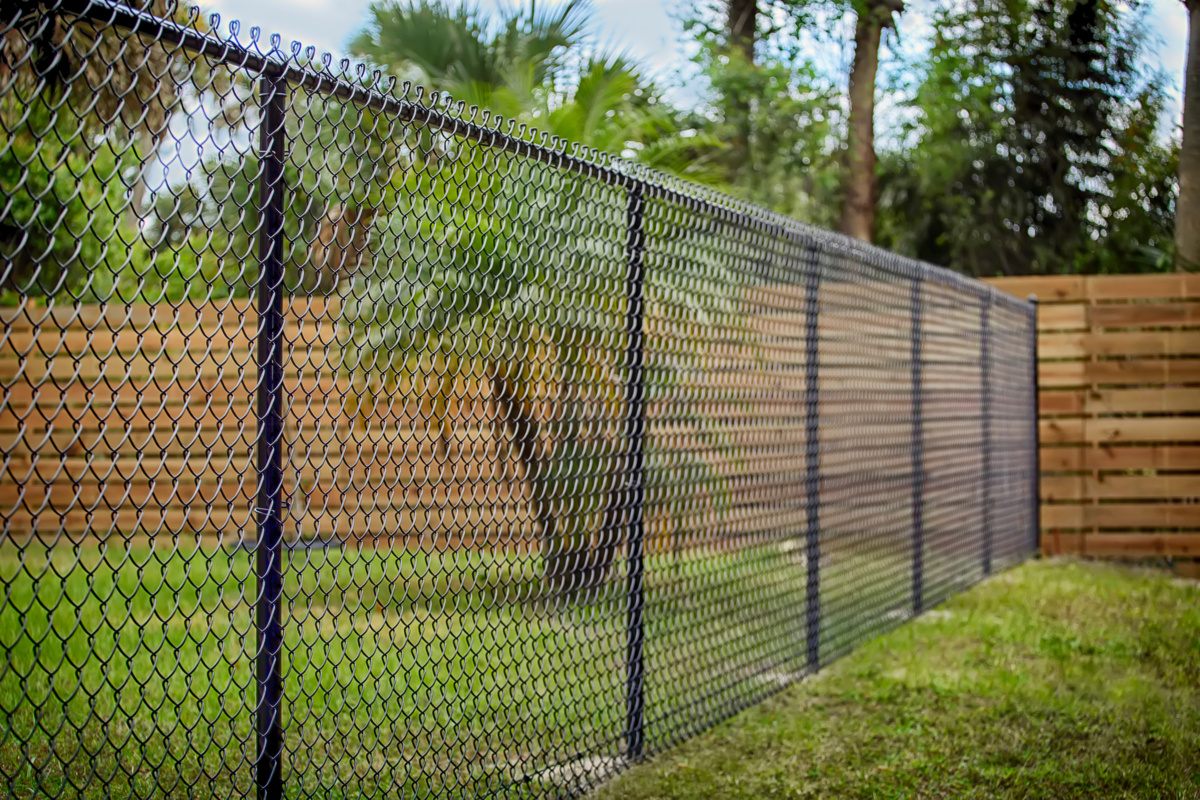
The installer should test how the soil actually responds before choosing driven posts, concrete, backfill, hole shape, or drainage measures. The same logic applies across systems, including chain-link installs, where post setting decides whether the fabric stays tensioned.
Underbuilding Gate, Corner, and End Posts
Gate, corner, and terminal posts carry loads that ordinary line posts may not. Hinges pull on gate posts, latches require precise alignment, and terminal posts resist tension or directional forces from the fence system.
Small seasonal shifts become highly visible when a gate stops closing properly. These locations may need stronger posts, additional bracing, greater support, or an installation method designed for repeated operating loads.
These four factors work together, which is one reason the DIY vs professional fence installation decision usually turns on the post plan rather than on the panels.
How Deep Should Fence Posts Be Set in Minnesota?
Minnesota’s building code sets minimum footing depths for frost protection at 3.5 feet in Zone II, which covers the metro and southern counties, and 5 feet in Zone I, which runs from Crow Wing and Mille Lacs north. The code allows less with supporting evidence from an engineer competent in soil mechanics. These are building footing depths, not fence-post specifications, but they tell you what the ground here is capable of.
Your actual depth comes from local code, the post system, and the manufacturer’s instructions. Our no-dig systems set residential posts to a minimum four-foot depth, which clears Zone II frost with room to spare. Commercial work and gate posts go deeper.
How Do You Fix a Frost-Heaved Fence Post?
A lasting repair begins by determining whether the post has lifted, settled, rotted, bent, or loosened. Simply pushing the post down or adjusting the gate may hide the symptom without correcting the foundation problem.
A professional inspection should:
- Compare the affected post with adjacent sections
- Check for rot, corrosion, bending, or damaged hardware
- Review gate alignment and panel tension
- Determine whether the footing or post can be reset
- Replace the post when its structure or foundation is compromised
- Address drainage or grade conditions before rebuilding
Multiple shifting posts may indicate a broader installation or soil problem. Next Day Fences’ fence repair and replacement process evaluates post integrity, ground stability, movement, and failure points before recommending an isolated repair or larger replacement.
Start With a Stronger Post Plan from the Next Day Fences
Frost heave rarely comes down to depth alone. Soil composition, trapped moisture, post geometry, drainage, gate loads, and the selected installation method all affect whether a fence stays aligned through Minnesota winters. Addressing those conditions before construction can reduce the risk of lifted posts, uneven panels, and gates that stop working properly.
At Next Day Fences, we evaluate the full site, including grade, soil, drainage, fence type, gate locations, and post requirements, before finalizing the build. Our team also manages required permits and city coordination, then organizes materials, preparation, scheduling, and construction around the approved plan. Contact Next Day Fences today for a cold-climate fence installation designed around the conditions that matter most on your property.