

Fence Installation Contractors in Lakeville, MN
Fence Contractors Lakeville, MN
full-service fence solutions for Lakeville residents
- Locally owned & family operated
- Fast 1–2 day installation on most residential projects
- Lifetime warranty on installed posts
- Locally owned & family operated
- Fast 1–2 day installation on most residential projects
- Lifetime warranty on installed posts


Our Full-Service Fence Solutions in Lakeville
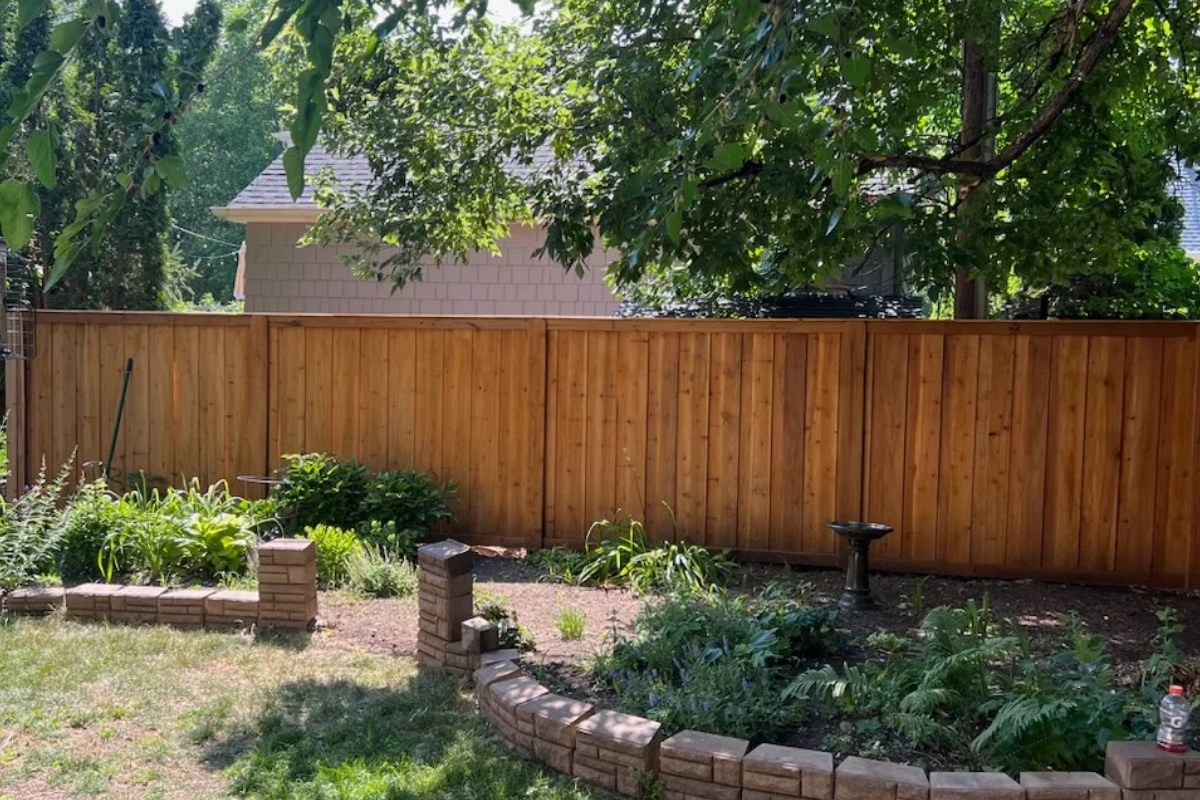
Height is the easy part in Lakeville. The city allows six feet through most of a residential lot and stretches to eight in a rear yard when the setbacks are met, which is the most generous allowance among south metro suburbs. What trips projects up here is placement: how far the fence sits from the right of way, how open it has to be, and whether a zoning approval or a building permit applies. Our fence installation contractors sort that out at the measuring stage.

Satisfied Customers
★★★★★
These guys do phenomenal work. We have a huge backyard and we we’re expecting them to take a few days, they ended up getting it all done in a day and it looked absolutely stunning! One small issue was when the inspector came out after, it was just barely over the property line on one side. Dave and his team came out and took down and reinstalled to make sure we were within our property line right away. Fantastic communication, quick service and exceptional work. I would recommend Next Day Fence to anyone and everyone.
★★★★★
We had new Fences installed here in our Doggie Daycare interior play room, and the team was fast, professional and the product delivered was second to none. Great job guys!! I highly recommend this company if you have any fencing needs large or small. You can trust Next Day Fences will not disappoint! I’d use them again in a heartbeat. ~ Thank you!
Chain Link Fencing
Front yards in Lakeville must stay at least 75 percent open for air and light, and chain link clears that easily where a solid panel cannot. On corner lots, it keeps sightlines open right up to the traffic visibility triangle, which no fence of any kind may enter.
Decorative 4-Foot Ornamental Steel Fence
Four feet is the front yard ceiling, and ornamental steel meets both conditions the city sets there: the height and the 75 percent openness. Spaced pickets satisfy the air and light requirement by design, and powder coating handles the salt and slush that come off Kenwood Trail and Cedar Avenue.
Vinyl Fencing (4 ft and 6 ft)
Six feet is the standard maximum across a residential lot, and vinyl reaches it without ever needing a coat of stain. It also sits on the city’s approved list of maintenance-free materials for solid walls in industrial districts, so the same product covers a backyard and a business perimeter.
Cedar Fencing
Rear yards are where Lakeville gets generous. A cedar fence may reach eight feet back there, provided it sits ten feet off the rear lot line and five feet off any side line. That extra two feet buys real privacy on the newer lots where houses sit close together.
Dakota County falls in the state’s 42-inch frost footing zone, and building to that depth is what separates a fence line that still runs straight in year ten from one that starts leaning by year three.
Lakeville's Fence Rules at a Glance
Fence rules live in Section 11-21-5 of the zoning ordinance. The provisions that shape a residential project:
- Approval depends on placement, not just height. Zoning approval covers any fence under seven feet in a front yard, in a buffer yard, or on a property line. Seven feet or taller requires a building permit. A shorter fence set inside a rear or interior side yard, away from the line, needs neither.
- Six feet standard, eight in the rear. Six feet is the general maximum. A rear yard fence may reach eight feet if it sits ten feet from the rear lot line and five feet from any side line.
- Four feet and 75 percent open in front. Front yard fences stop at four feet and must stay at least three-quarters open for the passage of air and light.
- Easements stay clear. A fence in an easement may not impede the flow of water, and if the city needs that easement, the fence comes out and goes back at the owner’s expense.
- The 1994 setback. On lots platted after January 1, 1994, a fence in a front yard, in the required side yard of a corner lot abutting a right of way, or in the required rear yard of a double frontage lot must sit ten feet back from that right of way line.
- A no-fence zone at corners. No fence or screen may stand inside the traffic sight visibility triangle, measured 45 feet along each curb line from the intersection and closed diagonally. Low landscaping is allowed in that space. Fences are not, at any height.
- Your fence sits on your land. Fences and their footings must be located entirely on your property, and a property line fence requires zoning approval. If the irons cannot be found, the city may require a registered land survey or a recorded agreement with the adjoining owner.
- Farms are exempt. Agricultural fences on a working farm fall outside these approval requirements.
- A gate for the boulevard. On interior lots, the fence has to include a gate built of the same material so the street-side boulevard can still be maintained.
We pull the platting date, confirm which approval applies, prepare the submission, and schedule locates through Gopher State One Call before any digging begins.
Why January 1, 1994, Matters to Your Fence
Lakeville sets one fence setback by the year your land was platted. On lots platted after January 1, 1994, a fence in the front yard, in the required side yard of a corner lot, or in the required rear yard of a double frontage lot has to sit ten feet back from the right-of-way it faces. Lots platted before that date are not held to that requirement.
That date matters more here than it would anywhere else. Lakeville grew from about 43,600 residents in 2000 to nearly 78,000 in 2024, and close to half its housing stock went up after 2000. Most homes sit on land platted well after the cutoff, while the older neighborhoods near downtown and the lakes often fall on the other side. We confirm the year for your parcel before drawing anything, since guessing wrong costs you ten feet you did not have to give up.
Fencing a New Build, and Fencing a Business in Lakeville
Lakeville is still under construction. That shapes the two kinds of projects we see most here, and neither one looks like work in an older suburb.
The First Fence on a New Lot
New construction leaves you with a blank yard, a builder’s grading plan, and often an association with opinions. It also usually means a post-1994 plat, so the ten-foot right-of-way setback applies from the start. We locate the pins, check the plat date, read the easements crossing the back of most newer lots, and lay out a fence that works with the grading rather than fighting it. Not every Lakeville yard is new, though, and the older neighborhoods near downtown and the lakes keep us repairing and replacing fences that have earned their retirement.
Solid Screening Where Business Backs Up to Homes
Airlake Industrial Park and the commercial corridors along I-35 follow their own standards. Commercial and industrial districts both allow fences up to eight feet, and any run crossing a front yard or street-side yard must stay 75 percent open. Chain link in a commercial district has to be vinyl-coated in an integral color, with no slats woven through it. Inside I-1 and I-2, a solid privacy wall may encroach into a street-side yard by administrative permit if it sits fifteen feet back and uses a maintenance-free material such as vinyl, stone, brick, or architectural concrete. Our commercial fencing crews build to those specifications and stage larger sites so nothing sits open between work days.
Our Process
Four steps to a finished fence installation, and you always know which one we are on.
1. Initial Consultation
We start with what the fence is for, what you want to spend, and where the property sits. The plat date and any association rules come up in this conversation, because both can change what is possible before we ever visit.
2. On-Site Assessment
We locate the pins, measure the frontage, mark the sight triangle and any right-of-way setback, and note the easements that run through most newer Lakeville lots. You see the layout staked before you approve it.
3. Planning and Proposal
You receive a drawn plan and a written proposal covering materials, dimensions, how we build it, the full price, and what the warranty covers on posts and on workmanship.
4. Permits and Scheduling
We file the zoning permit or building permit your project calls for, submit the site plan, and book locates. Once the city approves, your install date is set.
Why Lakeville Homeowners Choose Next Day Fences
A fence contractor who works one suburb the same way as the next will eventually put a fence ten feet into a required setback in Lakeville. We have served cities and suburbs across the Twin Cities metro since 2021, and we treat each city’s ordinance as its own problem.
- Plat date confirmed before layout, so setbacks are right the first time
- The correct approval filed, whether zoning permit or a building permit
- Sight triangle and right-of-way setbacks staked on site
- Easement and grading conflicts identified during the assessment
- Gopher State One Call locates filed before excavation
- Homeowner liability protection stated in writing
- Lifetime warranty on installed posts
- 5 to 10-year craftsmanship warranty
- Posts set to the 42-inch frost depth required in Dakota County
- Most residential installations completed in one to two days
None of that shows up on the finished fence. All of it shows up in whether the fence is still standing straight and still legal in ten years.
Speak with Professional Fence Installation Contractors in Lakeville, MN
Plat dates, setbacks, and openness percentages are our problem, not yours. You just want the yard closed in. Tell us what you have in mind, and we will come out, walk the property, and tell you what Lakeville will approve on your specific lot. If your plat date pushes the fence back from the road, or your rear yard qualifies for the full eight feet, you will hear it while it is still easy to design around. After that, you get a clear price and a date we keep.
Get in touch when you are ready, and our Lakeville fence installation contractors will handle the rest.
FAQs
1. Does Lakeville require approval before I build a fence?
It depends on where the fence goes. Zoning approval is required for any fence under seven feet in a front yard, in a buffer yard, or on a property line. A fence seven feet or taller needs a building permit. A six-foot privacy fence set inside your own rear or interior side yard, off the property line, needs neither. We confirm which case your project falls into before we quote.
2. What is the tallest fence I can build?
Six feet through most of the lot, and eight feet in a rear yard if the fence sits ten feet off the rear lot line and five feet off any side line. Front yards are capped at four feet.
3. Why does my neighbor's fence sit closer to the street than mine does?
Often the plat date. On lots platted after January 1, 1994, a fence facing a right of way from a front yard, a corner lot side yard, or a double frontage rear yard has to sit ten feet back. Older platted lots are not subject to that rule. We verify both the date and the yard type for your parcel rather than assuming.
4. Can I build a solid privacy fence in my front yard?
No. Front yard fences stop at four feet and must remain at least 75 percent open for air and light, which rules out solid panels. Ornamental steel, picket, and chain link all work in that space.
5. What are the rules on a corner lot?
Visibility has to stay clear above three feet inside a triangle measured 45 feet along each curb line from the intersection. We stake that triangle during the site visit so you can see what it takes out.
6. Can I put the fence right on the property line?
Your fence and its footings have to sit entirely on your property, and a property line fence needs zoning approval. Verifying the line is the owner's responsibility. If the irons cannot be located, Lakeville may require a survey by a registered land surveyor or a recorded agreement with your neighbor about where the fence sits.
7. When can you start?
Most residential yards take one to two days once your approval is issued and locates come back. Commercial and industrial projects run on a longer schedule shaped by linear footage, site access, and material lead times, and the proposal gives you specific dates.